温哥华官方发展规划
Charles Song
~ 7分钟阅读时间
Governmental Plan

Image: © City of Vancouver · vancouver.ca Used for editorial and informational purposes only.
引言
温哥华市正式通过了首部覆盖全市范围的《官方发展规划》(Official Development Plan,简称 ODP),为未来 30 年城市发展建立统一的法定规划框架。该规划已于 2026 年 3 月 11 日 经温哥华市议会批准,并于 3 月 31 日 正式生效,取代原有的《Vancouver Plan》,成为未来全市土地利用、开发审批及城市建设的重要法定依据。
对于大温地区的开发商、建筑设计团队、建筑工业化(OSC)企业及房地产投资者而言,这不仅是一次规划更新,更是近年来影响最深远的城市发展政策调整之一。未来项目的开发方向、审批流程及建设模式,都将在新的 ODP 框架下展开。
引言
温哥华市正式通过了首部覆盖全市范围的《官方发展规划》(Official Development Plan,简称 ODP),为未来 30 年城市发展建立统一的法定规划框架。该规划已于 2026 年 3 月 11 日 经温哥华市议会批准,并于 3 月 31 日 正式生效,取代原有的《Vancouver Plan》,成为未来全市土地利用、开发审批及城市建设的重要法定依据。
对于大温地区的开发商、建筑设计团队、建筑工业化(OSC)企业及房地产投资者而言,这不仅是一次规划更新,更是近年来影响最深远的城市发展政策调整之一。未来项目的开发方向、审批流程及建设模式,都将在新的 ODP 框架下展开。
Vancouver's ODP doesn't just change what you can build — it changes how fast you can build it, and where modular fits into that picture.
Vancouver's ODP doesn't just change what you can build — it changes how fast you can build it, and where modular fits into that picture.
1. 什么是 ODP?
ODP(Official Development Plan,官方发展规划)并非一份城市发展愿景,而是具有法律效力的法定规划文件。未来温哥华所有土地开发、规划审批及土地利用决策,都必须符合 ODP 的要求。
与过去作为政策指导文件的《Vancouver Plan》不同,ODP 通过市政附例(Bylaw)正式实施,成为全市开发审批和土地管理的法律依据。
ODP 的核心特点
覆盖整个温哥华市行政范围
规划未来 30 年城市发展方向
根据 BC 省法规要求,于 2026 年完成实施
取代《Vancouver Plan》,并延续其主要发展目标
💡 重点解读:ODP 首次为温哥华建立了覆盖全市、具有法律约束力的统一规划框架,使未来土地用途、开发潜力及审批方向更加明确,也为开发商和土地业主提供了更高的政策确定性。
2. 更高密度,将成为全市发展趋势
ODP 的核心目标之一,是优化温哥华长期存在的土地利用结构失衡。
目前,全市约 65% 的住宅用地仍以低密度住宅为主,却仅容纳约 35% 的人口。为提高土地利用效率,ODP 将推动住宅密度全面提升,包括:
提高天车(SkyTrain)站点周边开发密度
在全市推广 Multiplex(多户住宅)发展模式
建设以步行为核心的社区中心(Village)
在更多住宅社区提供多元化住房产品
💡 重点解读:更高的开发密度意味着更多住宅项目、更大的市场需求,也进一步提升建筑工业化(OSC)在效率、成本及交付能力方面的竞争优势。
3. Faster Approvals — A Game Changer for OSC
One of the most important changes the ODP brings is a new approvals process. Under new provincial legislation, the City of Vancouver is no longer permitted to hold public hearings for projects that are consistent with the ODP and have at least 50% residential floor area. This is designed specifically to speed up housing delivery.
No public hearing required for ODP-consistent projects
Faster rezoning and approval timelines
More predictable development pipeline
Standardized building forms increasingly favoured
💡 Key point: Faster approvals directly benefit modular and OSC projects — which are already faster to build. The compounding effect of shorter approval timelines plus shorter construction timelines is a major advantage for OSC delivery.
4. Modular Is Explicitly in the Frame
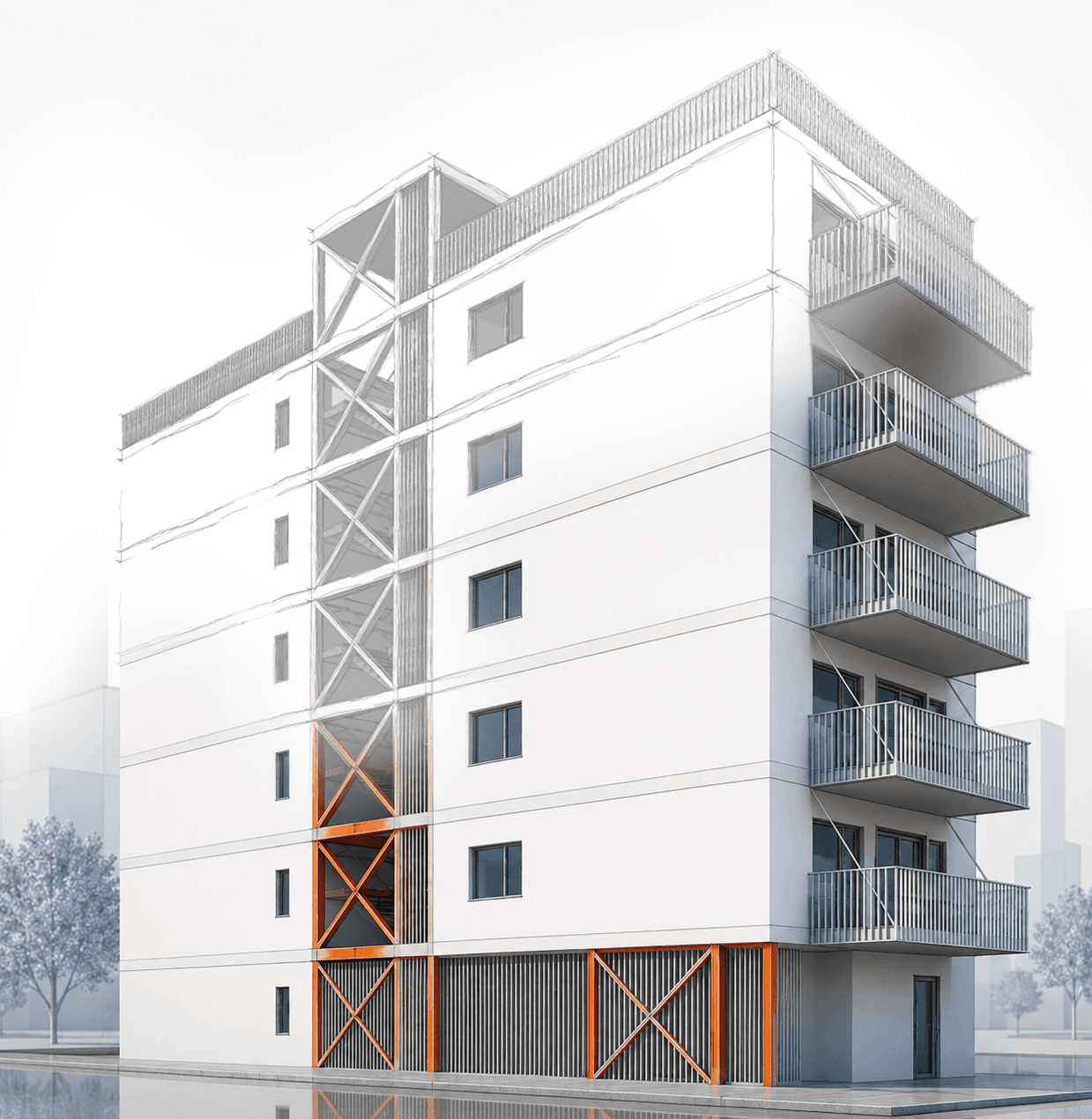
Industry experts have noted that if the ODP is implemented effectively, it is expected to drive a shift from bespoke, one-off projects toward more standardized, repeatable building forms — including mid-rise wood frame, mass timber, and modular or prefabricated systems. The policy conditions are now in place for modular to scale in Vancouver in ways that simply weren't possible before.
Standardized building forms increasingly favoured
Repeatable project types align with OSC's core strength
Volume demand creates opportunity for cost reduction through scale
OSC delivery timelines match accelerated approvals environment
💡 Key point: The ODP doesn't mention modular by name — but everything it creates points toward it.
1. 什么是 ODP?
ODP(Official Development Plan,官方发展规划)并非一份城市发展愿景,而是具有法律效力的法定规划文件。未来温哥华所有土地开发、规划审批及土地利用决策,都必须符合 ODP 的要求。
与过去作为政策指导文件的《Vancouver Plan》不同,ODP 通过市政附例(Bylaw)正式实施,成为全市开发审批和土地管理的法律依据。
ODP 的核心特点
覆盖整个温哥华市行政范围
规划未来 30 年城市发展方向
根据 BC 省法规要求,于 2026 年完成实施
取代《Vancouver Plan》,并延续其主要发展目标
💡 重点解读:ODP 首次为温哥华建立了覆盖全市、具有法律约束力的统一规划框架,使未来土地用途、开发潜力及审批方向更加明确,也为开发商和土地业主提供了更高的政策确定性。
2. 更高密度,将成为全市发展趋势
ODP 的核心目标之一,是优化温哥华长期存在的土地利用结构失衡。
目前,全市约 65% 的住宅用地仍以低密度住宅为主,却仅容纳约 35% 的人口。为提高土地利用效率,ODP 将推动住宅密度全面提升,包括:
提高天车(SkyTrain)站点周边开发密度
在全市推广 Multiplex(多户住宅)发展模式
建设以步行为核心的社区中心(Village)
在更多住宅社区提供多元化住房产品
💡 重点解读:更高的开发密度意味着更多住宅项目、更大的市场需求,也进一步提升建筑工业化(OSC)在效率、成本及交付能力方面的竞争优势。
3. Faster Approvals — A Game Changer for OSC
One of the most important changes the ODP brings is a new approvals process. Under new provincial legislation, the City of Vancouver is no longer permitted to hold public hearings for projects that are consistent with the ODP and have at least 50% residential floor area. This is designed specifically to speed up housing delivery.
No public hearing required for ODP-consistent projects
Faster rezoning and approval timelines
More predictable development pipeline
Standardized building forms increasingly favoured
💡 Key point: Faster approvals directly benefit modular and OSC projects — which are already faster to build. The compounding effect of shorter approval timelines plus shorter construction timelines is a major advantage for OSC delivery.
4. Modular Is Explicitly in the Frame
Industry experts have noted that if the ODP is implemented effectively, it is expected to drive a shift from bespoke, one-off projects toward more standardized, repeatable building forms — including mid-rise wood frame, mass timber, and modular or prefabricated systems. The policy conditions are now in place for modular to scale in Vancouver in ways that simply weren't possible before.
Standardized building forms increasingly favoured
Repeatable project types align with OSC's core strength
Volume demand creates opportunity for cost reduction through scale
OSC delivery timelines match accelerated approvals environment
💡 Key point: The ODP doesn't mention modular by name — but everything it creates points toward it.
Conclusion
Vancouver's ODP is not just a planning document — it is the clearest signal yet that the future of construction in this city is standardized, scalable, and fast. For landowners, developers, and institutions thinking about their next project, the question is no longer whether density is coming. It is whether you are ready to deliver it efficiently.
Off-site construction is the most effective answer to that question. BuildMAX exists to make that answer a reality.
